Blog · 26 September 2026 · 3 min read
Blocked Building Drain in Portugal: Who Pays — You or the Condominium?
Short answer: as a general rule, pipes that serve only your flat are your responsibility, and pipes shared by the building — the vertical columns and the drains running to the street — are common parts paid by all owners through the condominium. The key question is where the blockage is, which is why finding it matters before anyone argues about the bill.
This is general information about how it usually works, not legal advice. The building's rules and the specific situation always matter.
Why the ground floor suffers first
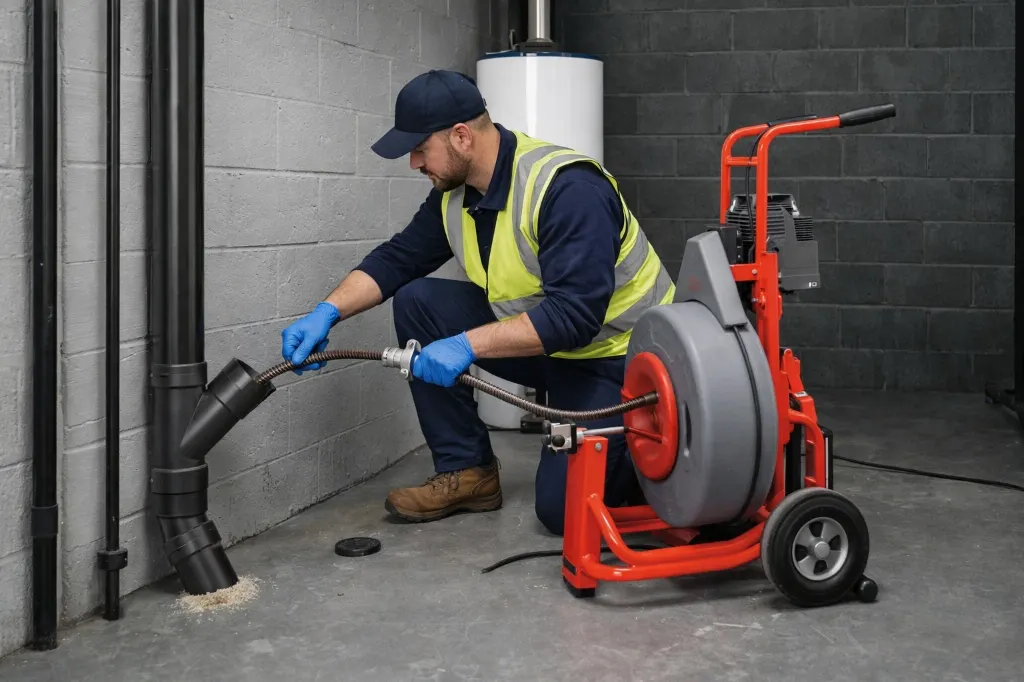
When a column or the building drain is blocked, water from every flat above has nowhere to go. It rises to the lowest open point — the ground-floor shower or toilet. The people living there are rarely the ones who caused it.
What to do
Tell the building administrator immediately, in writing, with photos and times. Ask neighbours above to stop using water until it is cleared.
In an emergency, a resident can call a plumber to stop the damage; afterwards the invoice and a written report showing the blockage was in the shared pipe go to the administrator.
Tenants should also inform their landlord, who deals with the condominium.
What the report should say
Where the blockage was, what caused it (wipes, grease, a collapsed section, roots), what was done, and any recommendation. Photos — or camera footage from a CCTV drain survey — make it hard to dispute.
Preventing repeat blockages
Buildings that block regularly usually have a cause: old cast-iron pipes with rough interiors, sags, or grease from many kitchens. Scheduled drain jetting once or twice a year is often cheaper than repeated emergency call-outs.
A notice in the entrance reminding residents not to flush wipes or pour fat helps too. See are flushable wipes really flushable.
Roots, collapsed pipes and old drains
In older buildings with gardens or trees nearby, roots can enter the underground drain through joints. Old clay or cast-iron drains can crack or collapse. These cause repeated blockages that no amount of clearing solves permanently.
A camera survey shows the condition of the drain and where it is damaged, so the condominium can decide on a repair based on evidence.
Emergency outside office hours
If waste is coming up into a ground-floor flat at night or at the weekend, the priority is to stop the damage: ask residents above to stop using water, and call a plumber. Keep the invoice and report for the administrator.
Many condominiums keep an emergency contact list in the entrance or in the building's rules — worth checking before you need it.
Preventive maintenance plans
For buildings with recurring problems, a scheduled inspection and jetting once or twice a year costs less than repeated emergencies and water damage claims. It is a decision for the condominium meeting, and a written report of past blockages helps make the case.
Building drain blocked? We clear shared columns and drains and give the administrator a written report.
Building drains and stacksFrequently asked questions
My flat was damaged by a building drain blockage. Who pays for the damage?
Usually the condominium, often through its building insurance, when the cause is in the common parts. Report it quickly and document everything.
Can I call a plumber myself?
In an emergency, yes. Inform the administrator and keep the invoice and report.
What if the blockage was caused by one flat?
If it can be shown that a specific flat caused it, the condominium may seek to recover the cost. That is a matter for the administrator.
Who clears the manholes?
Manholes on the building's land are part of the building's drainage; those on public land are for the municipality.
Do you work with administrators?
Yes. We clear the blockage and send the administrator a written report.

Services Lisbon plumbing team
Guides written by the plumbers who do this work in Lisbon homes every week — drains, leaks, water heaters and pipework.