Blog · 26 September 2026 · 4 min read
Buying an Old Flat in Lisbon: Plumbing Checks Before You Sign
Short answer: in older Lisbon buildings, look at five things before you commit — the age and material of the water pipes (galvanised iron or lead), the water heater, the drains, signs of leaks or damp, and the state of the building's shared pipes. Any of them can turn into a significant bill in the first year, and all of them can be spotted in a short visit.
1. What the water pipes are made of
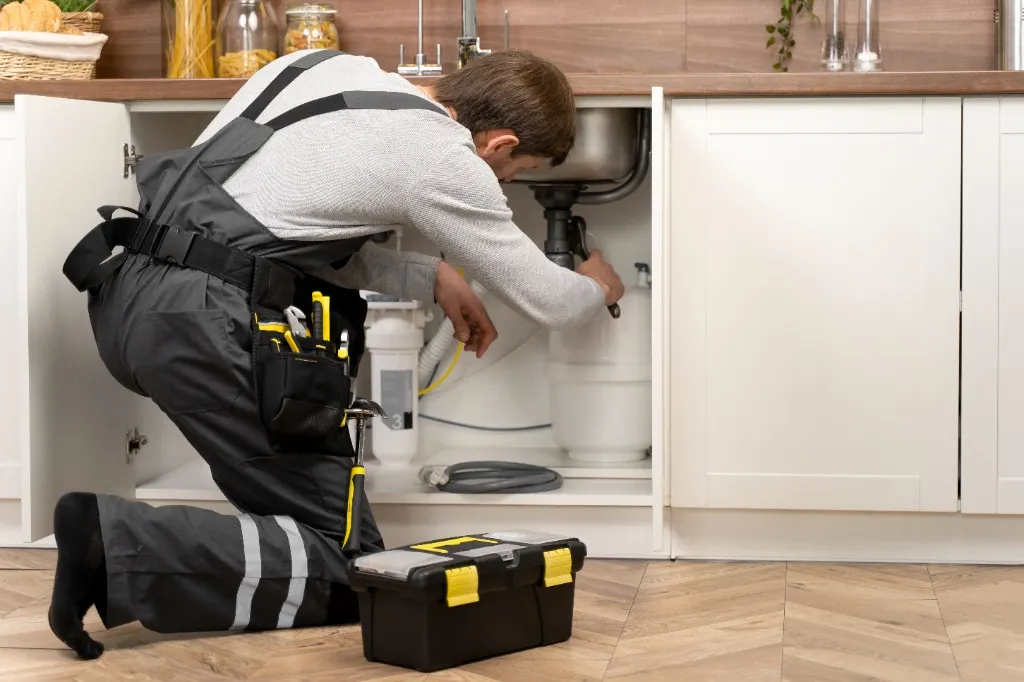
Open the cupboard under the kitchen sink and look at the pipes where they come out of the wall, and look at the pipes next to the water meter.
Grey, threaded metal pipes with rust at the joints: galvanised iron, common until the 1980s. They rust from the inside, lose pressure and leak at the joints. A flat with original iron pipes will need them replaced sooner or later.
Dull grey, soft pipes with smooth bulging joints: possibly lead, found in some very old buildings. Lead pipes should be replaced — they are in contact with drinking water.
Copper, or white/grey plastic (PEX, multilayer, PPR): newer installations, usually a good sign. See pipe replacement.
2. Water pressure and water colour
Open the kitchen tap and the shower fully at the same time. A big drop in flow suggests narrow, old pipes. Run the hot water: brown or rusty water in the first seconds points to old iron pipes or an old water heater.
3. The water heater
Read the label for the model and, if possible, the year. An esquentador over 10–15 years old, or a tank with rust marks or water at the base, will likely need replacing soon.
Check where it is installed and how it vents. An open-flued gas heater inside a bathroom is a safety concern. See esquentador and carbon monoxide.
4. Drains
Run water in every sink, shower and bath and flush the toilets. Watch for slow draining, gurgling or water coming up elsewhere. Sniff near drains and the base of the toilet — a sewer smell points to failed seals or venting problems. See bathroom smells like sewer.
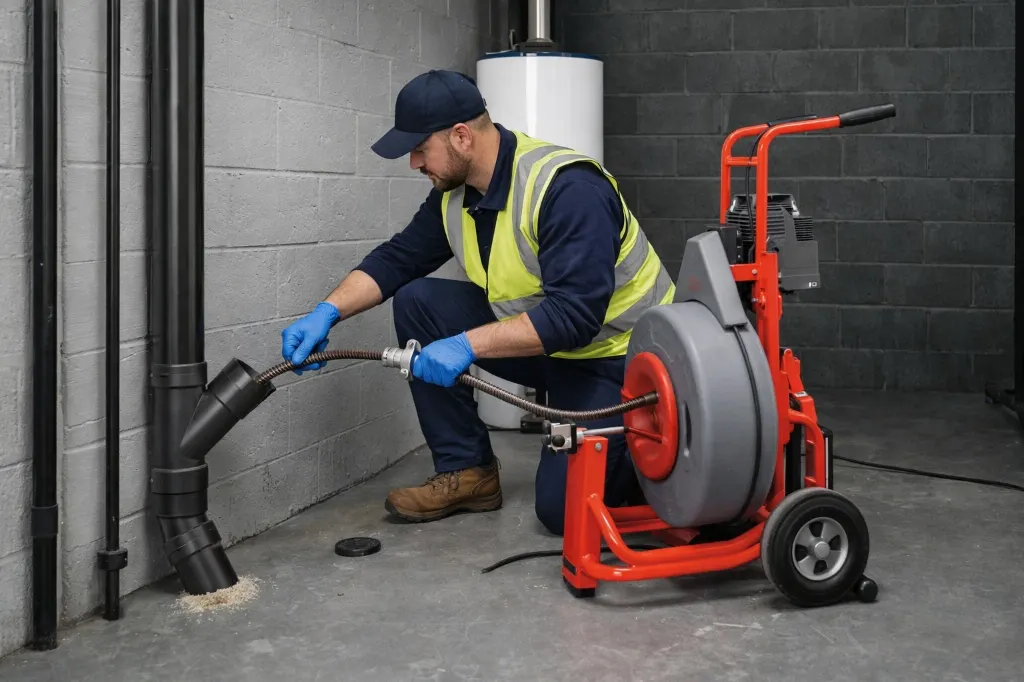
In buildings with a history of blockages, a camera survey of the flat's waste pipe is inexpensive insurance before a big purchase.
5. Leaks and damp
Look at ceilings and walls around bathrooms and kitchens — and at the ceiling of the flat below if you can. Stains, bubbling paint, fresh paint in just one spot, loose tiles, or a musty smell are all worth asking about.
Ask the seller or agent to show you the water meter with all taps closed: if it moves, there is a leak. More in signs of a hidden water leak and damp and mould: leak or condensation.
6. The building
Ask the building administrator (or the seller) about the shared columns and drains: when were they last replaced, are there planned works, have there been leaks between flats? Planned works to shared pipes are paid by all owners through the condominium.
Check the minutes of recent condominium meetings if you can — they often mention recurring leaks, blockages and planned repairs.
Get a plumber's opinion
A short inspection before signing costs little compared with discovering after the move that the flat needs new pipes. We can check the installation and give you a written summary of what is in good condition, what needs attention and roughly what it involves — useful for negotiating the price, too.
Questions to ask the seller or landlord
When were the water pipes last replaced, and which parts of the flat were done? How old is the water heater, and when was it serviced? Have there been leaks into the flat below, or from the flat above? Any recurring blockages? Are there building works planned for the columns or drains?
Ask for invoices of past plumbing work. A well-documented flat is usually a well-maintained one.
Renovation plans: do the pipes first
If you plan to renovate the kitchen or bathroom, replace the pipes serving them at the same time — the walls are open anyway. Doing it later means breaking new tiles.
Plan hot water at the same time: the position of the water heater decides pipe routes, and it is the moment to choose between gas, electric or a heat pump. See esquentador vs termoacumulador.
Budgeting for the first year
In an older flat with original installations, set aside a contingency for plumbing: a new water heater, flexible hoses and valves, and possibly partial pipe replacement. It is far easier to do this before moving furniture in.
A written inspection turns guesses into numbers you can use in negotiation.
Want a plumber's view before you sign? We inspect the plumbing and give you a written summary of what needs work.
Pipe replacement in LisbonFrequently asked questions
How do I know if a flat has lead pipes?
Lead is dull grey, soft (a key scratches it to shiny silver) and has smooth, bulbous joints. If in doubt, have a plumber check.
Is replacing all the pipes a big job?
It depends on the flat, but in an empty flat before you move in it is much easier than later. We plan it area by area.
Can I ask the seller to fix plumbing problems before the sale?
You can negotiate it, or negotiate the price. A written inspection helps either way.
Should I check the plumbing when renting too?
Yes — test the hot water, drains and flushing before signing, and note any problems in writing.
Who pays for the building's pipes?
Shared pipes are common parts, paid by all owners through the condominium.

Services Lisbon plumbing team
Guides written by the plumbers who do this work in Lisbon homes every week — drains, leaks, water heaters and pipework.