Blog · 26 September 2026 · 4 min read
Leaking Shower Tray: How Water Escapes and How to Fix It
Short answer: showers are one of the most common sources of leaks into the flat below. Water escapes in four main ways — failed silicone around the tray, cracked or porous grout, a leaking waste outlet under the tray, or a leaking supply pipe in the wall. Simple tests tell them apart, and most are fixed without redoing the bathroom.

Why shower leaks are sneaky
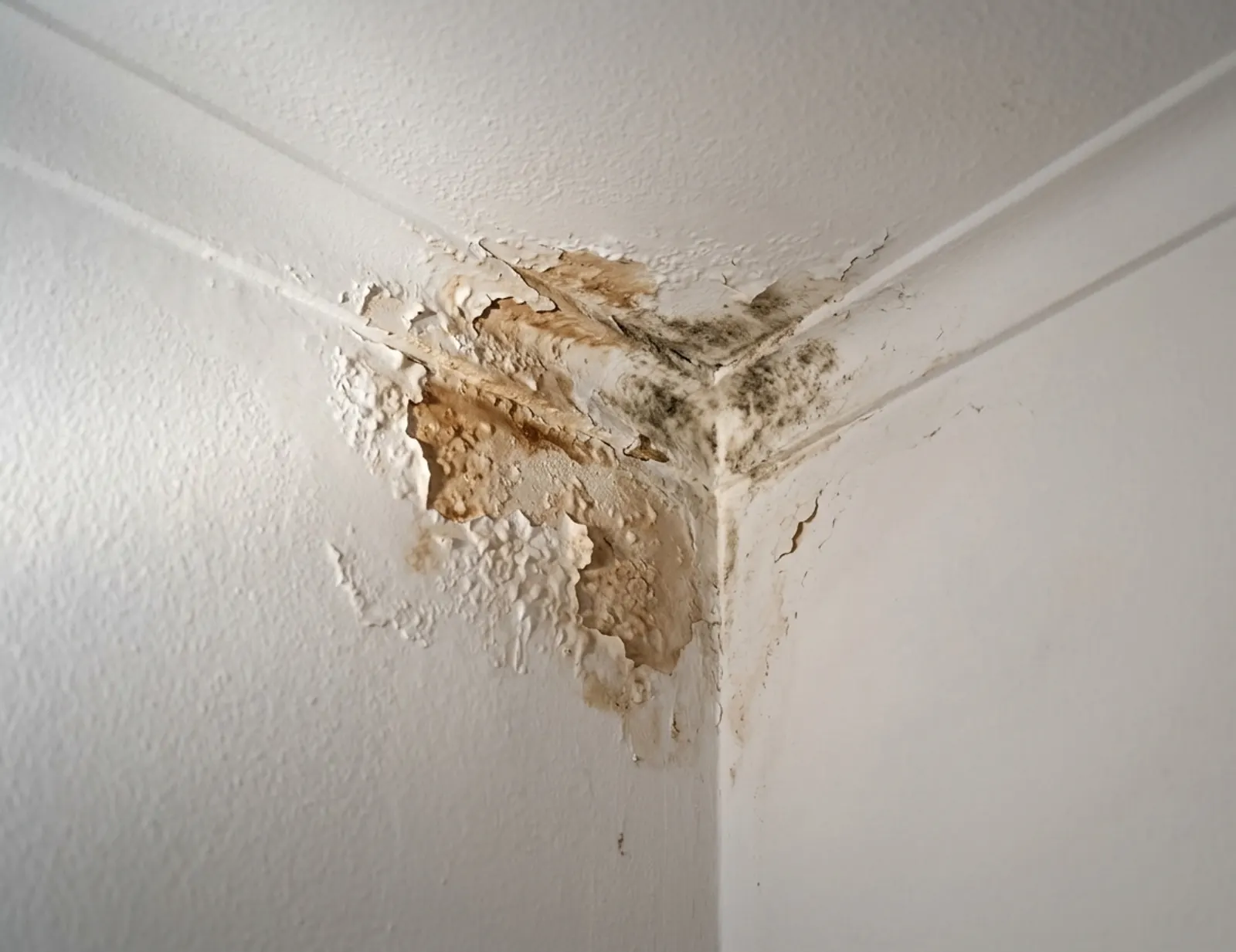
A shower leak only happens while someone is showering, so the meter test often shows nothing. The water runs under the tray or behind tiles and appears somewhere else — a skirting board in the next room, or a stain on the neighbour's ceiling — sometimes days later.
Cause 1: failed silicone
The silicone joint between the tray and the tiles, and around the glass screen, is the first line of defence. It moves, peels, goes black with mould or shrinks away. Water sprayed against the wall runs down behind it.
Fix: cut out the old silicone completely, clean and dry the joint, and apply new sanitary silicone. It needs to cure before the shower is used.
Cause 2: grout
Cement grout is porous. Cracked or missing grout lets water behind the tiles, especially on the floor of walk-in showers. Dark grout lines that stay wet, or tiles that sound hollow, are signs.
Fix: remove and replace the damaged grout, ideally with a water-resistant or epoxy grout in wet areas.
Cause 3: the waste outlet
The drain under the tray connects to the waste pipe with a seal. If it cracks, loosens or was badly fitted, every shower sends water under the tray. Often comes with a smell — see bathroom smells like sewer.
Fix: access the waste — from an inspection panel, from below, or by carefully lifting the tray — and replace the seal or the waste fitting.
Cause 4: supply pipes in the wall
The pipes feeding the mixer run inside the wall. A leak there leaks all the time, not just during showers, so the water meter test will show it. See signs of a hidden water leak.
Tests you can do
Tray only: put the plug in the drain (or cover it with tape), fill the tray a few centimetres and leave it. If the level drops or the stain below grows, the tray or the waste leaks.
Drain only: run water directly into the drain without splashing walls. A stain below means the waste outlet.
Walls only: spray water on the tiles and joints for several minutes without running water into the drain. A stain means silicone or grout.
Do one test per day and watch the ceiling below (with your neighbour's help).
What a professional does
We combine these tests with pressure testing of the supply pipes to find the exact source, then repair only what failed. You get a written report for the neighbour and insurers. See hidden leak detection and reports for insurers.
Walk-in showers and waterproofing
Walk-in showers rely on a waterproofing membrane under the tiles. If it was not installed, or was damaged, water that passes the grout soaks into the floor below. Fixing that properly means lifting the tiles in the shower area and redoing the waterproofing — which is why it is worth checking before tiling in a renovation.
Silicone that lasts
Use a sanitary silicone with anti-mould additives. Clean off every trace of the old silicone and soap residue, let the joint dry completely, tape the edges for a neat line, and fill the tray with water while applying and curing the silicone on a tray — it pre-loads the joint so it does not tear when someone stands in it.
Early signs to watch
Black or peeling silicone, grout lines that stay dark long after showering, a musty smell in the bathroom, skirting boards swelling outside the shower, and any stain on the ceiling below. Fixing silicone early is cheap; fixing a soaked floor is not.
If you are not sure where the water is going, leak detection starts from 120 €.
Stain below the shower? We confirm whether it is the tray, the waste or a pipe — from 120 €.
Leak detection in LisbonFrequently asked questions
Can I just add silicone over the old one?
No — new silicone does not bond to old silicone or mould. Remove the old joint completely first.
The neighbour's ceiling is wet only after I shower.
Then the leak is in the tray, the waste or the joints — not the supply pipes. The tests above narrow it down.
Do I need to replace the whole shower?
Rarely. Most leaks are fixed by resealing, regrouting or replacing the waste seal.
How long before I can shower after resealing?
Follow the silicone's curing time, usually at least 24 hours.
Who pays for the neighbour's ceiling?
Usually the owner of the flat where the leak started, often through home insurance.

Services Lisbon plumbing team
Guides written by the plumbers who do this work in Lisbon homes every week — drains, leaks, water heaters and pipework.